Understanding OFAC Sanctions List Countries: Implications and Guidance
The Office of Foreign Assets Control (OFAC) is an office of the U.S. Department of the Treasury that administers and enforces economic and trade sanctions based on U.S. foreign policy and national security goals. The OFAC sanctions list is a critical tool used by the U.S. government to restrict certain countries, entities, and individuals from conducting business and entering into financial transactions. This OFAC sanctions list countries https://reyman.net/pages/ofac-sanctions-list-countries-full-guide.html will delve into the countries affected by these sanctions, the reasons behind them, and the implications for global commerce.
What are OFAC Sanctions?
OFAC sanctions are legally binding regulations that restrict specific countries and individuals from engaging in economic activities with U.S. citizens and businesses. These sanctions can be comprehensive or selective, targeting specific sectors such as finance, oil, or military goods. OFAC may impose sanctions for various reasons, including national security threats, violation of international law, or activities that undermine democratic processes or human rights.
Countries on the OFAC Sanctions List
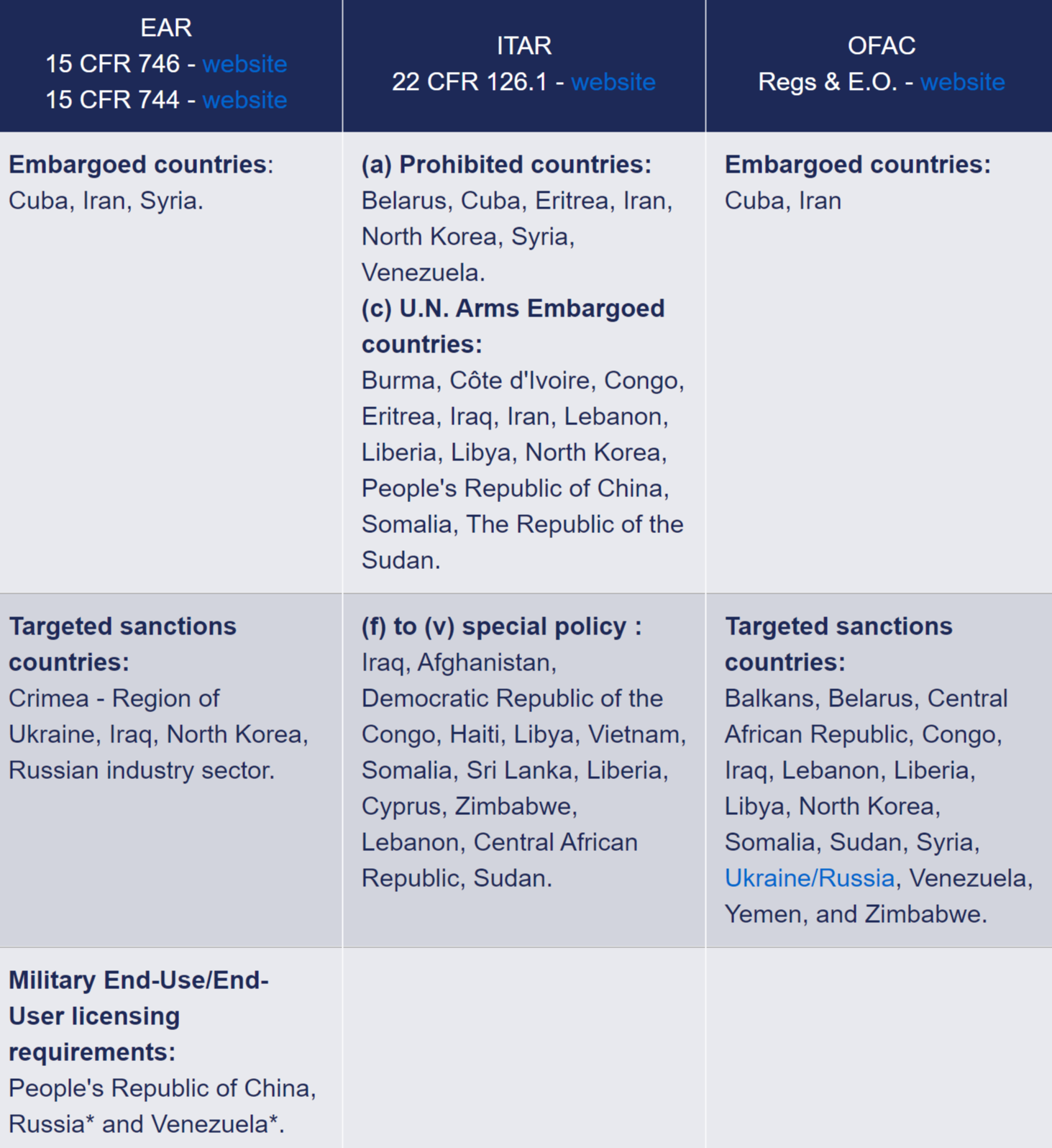
The OFAC maintains a list of sanctioned countries, which includes nations that face various degrees of trade restrictions. As of October 2023, some of the key countries on the OFAC sanctions list include:
- North Korea: Subject to some of the most comprehensive sanctions due to its missile programs and nuclear weapons development.
- Iran: Sanctions primarily focus on the country’s nuclear program and its role in supporting terrorism.
- Syria: Economic sanctions aimed at restricting the activities of the Syrian government in response to its human rights violations and civil unrest.
- Cuba: Various trade restrictions remain in place since the Cold War, although some measures have been relaxed in recent years.
- Venezuela: Sanctions target officials of the Maduro government and its oil industry, aiming to push for democratic reforms.
Reasons for Imposing Sanctions
The reasons behind sanctions are varied and complex. Primarily, they serve as a tool to:
- Deter Unlawful Behavior: By imposing economic consequences, the U.S. aims to dissuade nations from engaging in activities deemed harmful to international peace or U.S. interests.
- Promote Human Rights: Sanctions can serve as a means of pressuring governments to comply with international human rights standards.
- Protect National Security: Through sanctions, the U.S. can limit the capabilities of hostile nations or organizations, thereby enhancing national and global security.
Implications of Sanctions
For individuals and businesses, the implications of being on or engaging with countries on the OFAC sanctions list can be profound:
- Legal Consequences: Engaging in prohibited transactions can result in severe penalties, including fines and imprisonment.
- Impact on Global Operations: Companies that do business with sanctioned countries may find themselves limited in their commercial opportunities, as many financial institutions refuse to facilitate transactions involving these nations.
- Reputational Risk: Businesses associated with sanctioned entities risk their reputation, which can lead to a loss of consumer trust and investment opportunities.
Compliance Requirements
Businesses must adhere to OFAC regulations to avoid legal repercussions. Compliance entails:
- Regularly Updating Knowledge: Companies should regularly review the OFAC sanctions list to ensure they are aware of any changes or updates.
- Implementing Screening Processes: Businesses should have systems in place to screen partners and customers against the OFAC list.
- Providing Training: Staff should be trained to understand the implications of sanctions and ensure compliance.
Conclusion
Understanding the OFAC sanctions list and its implications is essential for any business or individual engaging in international commerce. By staying informed and compliant, organizations can navigate the complexities of global trade while mitigating risks associated with economic sanctions.
In summary, OFAC sanctions are a vital component of U.S. foreign policy that affect numerous countries and have far-reaching implications for global business operations. Whether you are a multinational corporation or an individual, understanding these regulations is crucial for legal and financial safety.